Mental health stigma in India is genuinely shifting. An honest look at what has changed, what still holds people back, and the myths worth retiring.
In this article 8
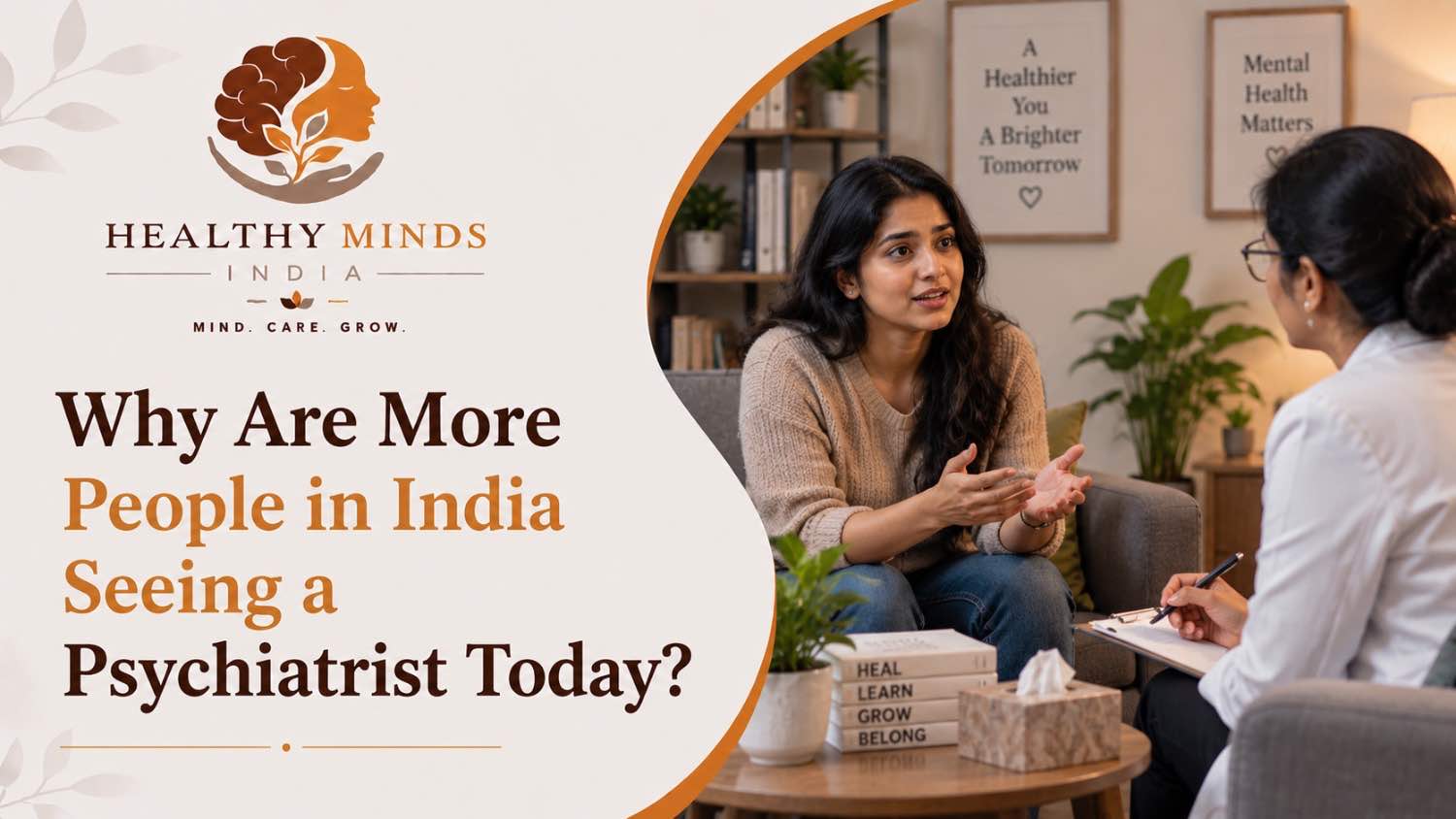
A decade ago, admitting you were seeing a psychiatrist in India often meant lowering your voice. That is changing, though not evenly or completely - and understanding why helps explain both the progress and what still holds people back.
Here is an honest look at why more people in India are seeing a psychiatrist today, and what is genuinely different from a decade ago.
Where the Stigma Came From
Mental illness in India has historically been misunderstood as a character flaw, a spiritual failing, or a source of family shame rather than a medical condition. This led to significant delays in seeking help - often years - and to psychiatric symptoms being hidden, minimised, or treated informally rather than by a qualified professional. None of this reflects the actual nature of these conditions, but the belief was, and in places still is, widespread.
What Has Genuinely Shifted
Legal recognition of mental health as health
The Mental Healthcare Act, 2017 explicitly requires insurers to cover mental illness on the same basis as physical illness, formally establishing mental health as a medical, not moral, matter at a policy level.
Public conversation, accelerated by the pandemic
COVID-19 pushed anxiety, isolation, and burnout into nearly universal experience, making mental health a mainstream topic of conversation rather than a private struggle, including from public figures who spoke openly about their own experiences.
Telepsychiatry offering privacy
Online consultation lets people seek help without being seen walking into a clinic, which matters in communities where visibility itself was previously a barrier.
Workplaces engaging with mental health
A growing number of Indian employers now offer mental health benefits or employee assistance programmes, normalising the idea that seeking support is compatible with professional life, not a liability to hide.
What Still Holds People Back
Family reputation concerns, particularly around marriage prospects and social standing, still delay treatment in many households. Rural and smaller-town access to specialists remains genuinely limited compared to metro cities, even though telepsychiatry has narrowed this gap. And some persistent myths - that psychiatric medication is a permanent crutch, or that seeking help signals weakness - continue to circulate despite not holding up against the evidence.
Addressing the Myths Directly
- "Seeing a psychiatrist means something is seriously wrong with you." Most people seen by psychiatrists have common, highly treatable conditions like anxiety or depression, not severe or rare illness.
- "Psychiatric medication changes who you are." Properly prescribed and monitored medication aims to relieve specific symptoms, not alter your personality; concerns about a particular medication are worth raising directly with your psychiatrist.
- "Needing help is a sign of weakness." Seeking treatment for a medical condition - which is what a psychiatric illness is - reflects the same practical sense as treating a physical illness, not weakness.
- "It will affect my marriage prospects or reputation." This fear is understandable given social context, but it should be weighed against years of avoidable suffering; confidentiality protections and private consultation options exist specifically to address this concern.
How Families Can Help Without Judgment
Avoid framing treatment as something to hide or be ashamed of in front of the person seeking it. Ask what would help rather than assuming. And recognise that a family member choosing to see a psychiatrist is taking a responsible, practical step - the same as they would for any other health condition.
What This Looks Like in Practice
At Healthy Minds India, consultations with a psychiatry doctor in India are handled with the same confidentiality and respect as any other medical visit, with online options available for patients who value additional privacy. If you are trying to decide who to see, this checklist on how to choose the best psychiatrist doctor in India is a useful starting point.
Frequently Asked Questions
-
Is mental health stigma decreasing in India?
Yes, meaningfully, particularly in urban areas and among younger people, though it has not disappeared and varies significantly by community and region.
-
Does seeing a psychiatrist affect my medical records permanently?
Psychiatric records are held under the same confidentiality standards as other medical records; ask your specific clinic about their exact privacy practices if you have concerns.
-
Will my family have to know I am seeing a psychiatrist?
Not necessarily, particularly with online consultation options; this is your choice to make, though involving trusted family can also be genuinely helpful in some cases.
-
Is therapy or psychiatry covered by insurance in India?
Increasingly, yes, following the Mental Healthcare Act, 2017, though coverage specifics still vary by policy.
-
Why do more people seem to be seeing psychiatrists after COVID-19?
The pandemic made anxiety, isolation, and burnout a near-universal experience, which normalised seeking help and reduced the sense that struggling was unusual or shameful.
-
What should I say to a family member who is against therapy or psychiatry?
Framing it as a practical health decision, similar to seeing a doctor for a physical condition, rather than a personal failing, is often more persuasive than debating the stigma directly.
Conclusion: The Shift Is Real, but Not Finished
India's attitude toward psychiatric care has genuinely changed - legally, culturally, and in everyday conversation - but stigma has not disappeared, particularly outside major cities. Recognising that seeking help is a practical, common, and treatable-condition decision, not a personal failing, is what continues to move that shift forward.
Medically reviewed by Dr. Saurabh Kumar, Consultant Neuropsychiatrist, Healthy Minds India, Patna. This article is for general education and is not a substitute for a personal consultation. To discuss your situation, book an appointment or contact the clinic.
Disclaimer: all characters and events depicted in this blog are entirely fictional. Any resemblance to actual persons, living or dead, is purely coincidental. The content is intended for informational purposes only and should not be considered medical advice. Always consult a qualified healthcare professional for medical concerns.